
Maybe you’re in the market for a home and are having a hard time finding the right one that fits your budget. Or perhaps you’re already a homeowner in need of extra income or a place for loved ones. Whether as a potential homebuyer or a homeowner with changing needs, accessory dwelling units, or ADUs for short, may be able to help you reach your goals.
What is an ADU?
As AARP says:
“An ADU is a small residence that shares a single-family lot with a larger, primary dwelling.”
“An ADU is an independent, self-contained living space with a kitchen or kitchenette, bathroom and sleeping area.”
“An ADU can be located within, attached to, or detached from the main residence. It can be created out of an existing structure (such as a garage) or built anew.”
If you’re thinking about whether an ADU makes sense for you as a buyer or a homeowner, here’s some useful information and benefits that ADUs can provide.
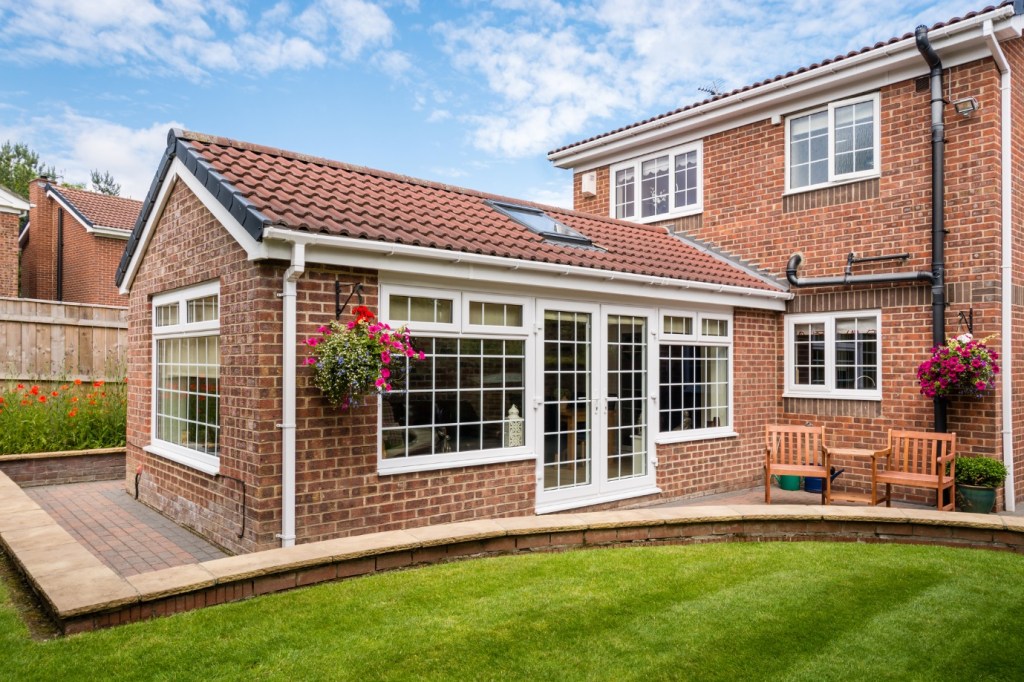
Benefits of ADUs
Freddie Mac and the AARP identify some of the best features of ADUs for both buyers and homeowners:
- Living Close by, But Still Separate: ADUs allow loved ones to live together while having separate spaces. That means you can enjoy each other’s company and help each other out with things like childcare, but also have privacy when needed. If this appeals to you, you may want to consider buying a home with an ADU or adding an ADU onto your house. According to Freddie Mac:
“Having an accessory dwelling unit on an existing property has become a popular way for homeowners to offer independent living space to family members.”
- Aging in Place: Similarly, ADUs allow older people to be close to loved ones who can help them if they need it as they age. It gives them the best of both worlds – independence and support from loved ones. For example, if your parents are getting older and you want them nearby, you may want to buy a home with an ADU or build one onto your existing house.
- Affordable to Build: Since ADUs are often on the smaller side, they’re typically less expensive to build than larger, standalone homes. Building one can also increase your property’s value.
- Generating Additional Income: If you own a home with an ADU or if you build an ADU on your land, it can help generate rental income you could use toward your own mortgage payments. It’s worth noting that because an ADU exists on a single-family lot as a secondary dwelling, it typically cannot be sold separately from the primary residence. But that’s changing in some states. Work with a professional to understand your options.
These are a few of the reasons why many people who benefit from ADUs think they’re a good idea. As Scott Wild, SVP of Consulting at John Burns Research, says:
“It’s gone from a small niche in the market to really a much more impactful part of new housing.”

What are the Requirements for ADUs?
A number of Minneapolis-St. Paul communities allow ADUs to be built and have varying requirements. Cities that allow ADUs include Minneapolis, St. Paul, Apple Valley, Bloomington, Burnsville, St. Louis Park, Richfield, Stillwater, Shoreview and White Bear Lake to name a few. Building requirements vary but square footage requirements seem to range between 300-800 square feet for interior or attached ADUs and 300-1,300 square feet for detached ADUs. The square footage of the ADU must be less than the primary building.
In most cities, the property owner needs to occupy one of the units and the ADU generally has to meet various lot setback requirements, too. The ADU will need to have its own utility services as well – electric, water and sewer, natural gas, etc. Parking (garage/driveway) is a consideration, too, as some cities have minimum parking requirements for residences. In some cities, a rental license must also be obtained for the ADU. And you will need to be aware of what the property’s zoning classification. This classification may have specific building code requirements that need to be met. In general, if the ADU is a new building, you may be looking at meeting new construction building code requirements.
The requirements for ADUs vary by community so you will want to do your research when planning an ADU – whether it is an internal, attached or detached ADU. And, you can lean on us as your real estate professionals for more information.

Bottom Line
ADUs have some great advantages for buyers and homeowners alike. If you’re interested in learning more about this concept, make sure to reach out and contact us for the information you need and to ask any questions!
 Real Estate | Your@HomeTeam