Considering buying a house this year? While rising mortgage rates present challenges, the period around September 27 to October 3 could offer favorable conditions. Increased inventory, lower prices, and reduced competition enhance buyer prospects. The entire month of October also presents opportunities, so align your strategy to seize the right moment.
Tag Archives: realtor
The Housing Market Split in 2. Which Side Is Your House On?
The housing market is currently divided by price point. Homes under $250,000 are experiencing slower sales, while those over $750,000 are selling faster due to buyer competition and less sensitivity to interest rates. Effective pricing and presentation are crucial for sellers at all levels to attract potential buyers.
Who Has the Upper Hand in Today’s Housing Market?
The current housing market varies widely, with some areas favoring buyers and others still benefiting sellers. The months’ supply of homes determines leverage, with a national average of 4.6 months, indicating balance. Local expertise is crucial as experiences differ greatly, making personalized strategies essential for effective buying or selling.
Thinking About Waiting for Lower Mortgage Rates? Read This First.

Many potential homebuyers are postponing purchases, hoping mortgage rates will drop significantly, but experts predict rates will remain stable in the low-to-mid 6% range through mid-2027 due to inflation and economic factors. Alternatives exist, such as exploring newly built homes, adjustable-rate mortgages, and mortgage rate buydowns to improve affordability.
Here’s Where to Start if You’re Selling and Buying at the Same Time
Homeowners face a crucial decision when moving: sell their current home before purchasing a new one, or vice versa. Selling first typically offers advantages, such as avoiding dual mortgage payments and accessing equity to fund the next purchase. While there are trade-offs, careful planning can mitigate risks. Consult with a real estate expert for guidance.
More Homes, Better Prices: A Buyer’s Summer
This summer, home buying conditions are improving with lower asking prices and an increase in available listings. The national median asking price dropped to $430,000, marking a shift towards more balanced market conditions. Buyers, particularly first-timers, now face less competition and more negotiating power, making it a favorable time to search for homes.
The Housing Market Is Stronger Than You Think
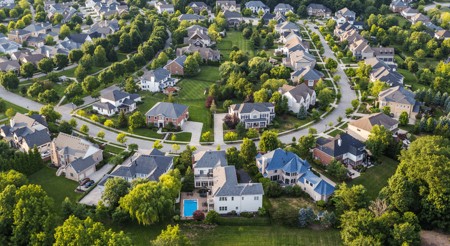
The current housing market, despite negative narratives, is fundamentally strong. Homeowners possess substantial equity, with many having over 50% equity or owning homes outright. Mortgage rates remain low for many, keeping foreclosures low and inventory tight. Overall, the market is stabilizing, not crashing, and offers opportunities for both buyers and sellers.
What To Expect from the Housing Market in the Second Half of 2026

The housing market has faced challenges in the first half of the year due to high mortgage rates, tight affordability, and global uncertainty. However, there are signs of potential improvement in the second half, including possible decreases in mortgage rates and a modest rise in home prices as demand gradually revives.
Is It Still a Seller’s Market? Here’s What the Data Says.

The housing market is shifting towards a more balanced approach, favoring buyers in many metros due to increased inventory. However, conditions vary regionally, with some areas still experiencing strong seller’s markets. Buyers and sellers should adapt their strategies based on local market dynamics for successful transactions.
The 1 Factor That Explains Everything Happening with Home Prices Right Now

You’ve probably heard that home prices are cooling off. And that’s true – nationally. But zoom in on individual markets across the country, and the picture looks completely different depending on where you are. Some areas are still seeing solid price growth. Others have gone flat. A few have actually dipped slightly negative. So, what’sContinue reading “The 1 Factor That Explains Everything Happening with Home Prices Right Now”

